Why Is Walmart Closing in Fremont, CA? The Reasons Behind the Shutdown
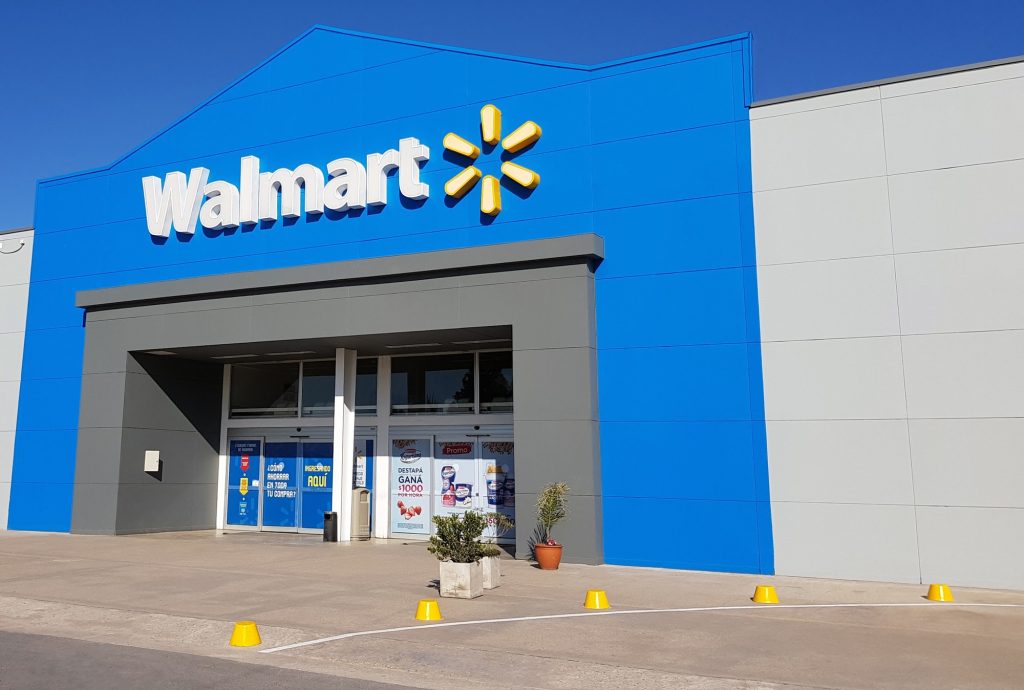
Why is Walmart closing in Fremont CA? Many local residents are asking this question after Walmart confirmed that its Fremont, California store will permanently close.
The shutdown has raised concerns about retail access, job impacts, and what the decision reveals about the broader state of the retail industry.
Walmart’s closure in Fremont is not an isolated event—it reflects a combination of financial strain, high Bay Area operating costs, and major shifts in consumer shopping behavior that are reshaping big-box retail across the country.
Below is a complete breakdown of why Walmart is closing in Fremont CA, what factors led to the decision, and what the closure means for the community.
1. Poor Financial Performance
One of the main reasons why Walmart is closing in Fremont CA is consistent financial underperformance.
According to reports from SFGate and Fremont Patch, the Fremont Walmart had been struggling with:
- Lower-than-expected sales
- Reduced year-over-year growth
- Operating margins that did not justify long-term investment
For a corporation like Walmart, stores that fall below internal benchmarks are routinely reevaluated—and often closed when recovery seems unlikely.
2. High Operating and Real Estate Costs
Another core factor behind why Walmart is closing in Fremont CA is the rising cost of doing business in the Bay Area. Local operating expenses have increased dramatically, including:
- Commercial rent and property values
- Higher labor costs
- Higher transportation and distribution costs
- Regulatory compliance expenses unique to California
These pressures make profit margins thinner than in other regions, and underperforming stores become financially unsustainable.
3. Shift Toward Online Shopping
The question “why is Walmart closing in Fremont CA?” also ties into a much bigger trend:
the rise of e-commerce.
Consumers in the Bay Area have some of the highest online shopping adoption rates in the country. Walmart has aggressively expanded its online operations, offering:
- Next-day delivery
- Local delivery through partners
- Same-day pickup at other locations
With more customers buying online rather than in-store, foot traffic at the Fremont location declined—further reducing revenue.
4. Walmart’s Data-Driven Viability Assessments
Walmart analyzes store performance using extensive data models that consider:
- Sales volume
- Market competition
- Community demand
- Local economic conditions
- Future growth potential
Stores that fall below required performance thresholds are labeled nonviable.
This explains why Walmart is closing in Fremont CA—the location simply no longer met corporate long-term strategy metrics.
5. Broader Retail Economic Pressure
Like many major retailers, Walmart faces nationwide challenges:
- inflation and shifting consumer spending
- higher security and shrinkage costs in some markets
- post-pandemic supply chain adjustments
These factors worsen financial strain on stores already performing below expectations.
What Happens to the Fremont Walmart Location?
The future of the property is still unknown, but possibilities include:
- Redevelopment for new retail tenants
- Conversion to mixed-use commercial space
- Leasing to other large chains
Given Fremont’s growth and high land value, redevelopment is highly likely.
What the Closure Means for Fremont Shoppers
With the closure, residents will need to rely on:
- Target
- Grocery chains
- Walmart’s online delivery service
- Nearby Walmart stores in adjoining cities
The closure will affect access to affordable essentials and may increase grocery costs for some households.
Conclusion
The shutdown stems from poor financial performance, high operating costs, and consumer shifts toward online shopping.
Combined with Walmart’s strategy to streamline underperforming stores, the Fremont location became a target for closure.
Understanding these factors helps residents anticipate future changes in the Bay Area retail market and adjust their shopping habits accordingly.